

You feel the car jolt slightly when accelerating, and sometimes the check engine light flickers. You plug in your scanner and there it is: P0300. This is a code you should take seriously, but in many cases you can fix it yourself by replacing a set of spark plugs.
Quick answer: Error code P0300 means one or more cylinders are misfiring randomly: the ignition is failing. The most common causes are worn spark plugs or a faulty ignition coil. If the check engine light is flashing, don't keep driving, as unburned fuel will damage your catalytic converter.
What does error code P0300 mean?
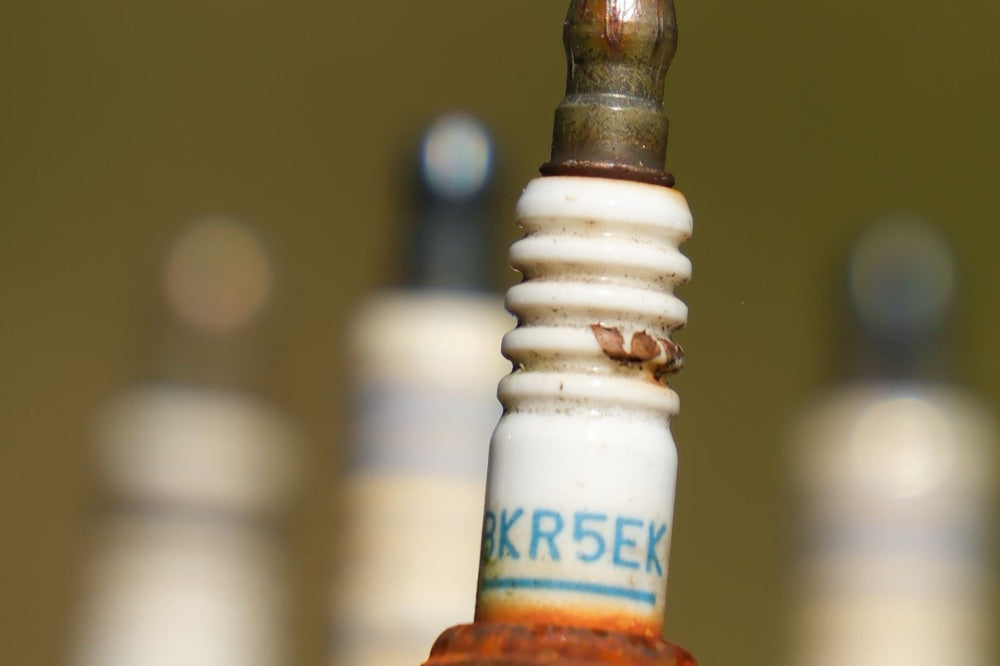
With every stroke, the spark plug must ignite the fuel mixture. If it doesn't, the cylinder misfires. P0300 is the general misfire code: your car detects misfiring, but not always on the same cylinder. If you also see P0301 through P0306, you'll know exactly which cylinder is the problem (the last digit = cylinder number).
Severity: amber to red. If the light stays on steady, you can drive calmly to the garage. If it's flashing, stop immediately and don't continue driving: unburned fuel enters the exhaust and will destroy your catalytic converter.
Symptoms
Jerking and vibration. Especially at idle or during acceleration, the engine runs rough.
Loss of power. The car accelerates poorly and feels sluggish.
Flashing check engine light. An active misfire happening right then. This is your signal to stop.
Possible causes (from cheapest to most expensive)
Worn spark plugs (€20 to €80). The number one culprit for P0300. A complete set isn't expensive and often you can replace them yourself.
Faulty ignition coil (€30 to €150). Often causes a misfire that follows the coil if you swap it to another cylinder.
Dirty or leaking fuel injector (€60 to €200). Too little or too much fuel reaching a cylinder.
Vacuum leak or mechanical issue (varies). An air leak (see also P0171) or in the worst case, low compression.
Step-by-step guide: how to find the cause yourself
- Read the codes. Do you see P0301 through P0306 alongside P0300? Then you'll immediately know which cylinder is misfiring.
- Check the freeze frame. Your scanner records the conditions at the moment of misfire (RPM, load). This helps you spot the pattern.
- Read the misfire counters live. With an app like OBDeleven, you can see how many times each cylinder misfires. One that stands out points you in the right direction.
- Swap the ignition coil. Move the suspect coil to a different cylinder. If the misfire follows it, the coil is bad, not the cylinder.
- Run a cylinder balance test. With a more advanced scanner like the Launch, you can disable cylinders one by one and see which one isn't contributing. This isolates the weak cylinder without guesswork.
- Replace and clear. Replace the part, clear the code, and take a test drive to confirm the misfire is gone.
What does it cost?
DIY: Replace spark plugs. €20 to €80. The most common and cheapest fix.
DIY: Replace ignition coils. €30 to €150 per coil, usually requiring a few steps.
Shop: Fuel injector or compression diagnosis. €80 to €200 for diagnostics, repair costs separate.
Fix it yourself or visit a shop?
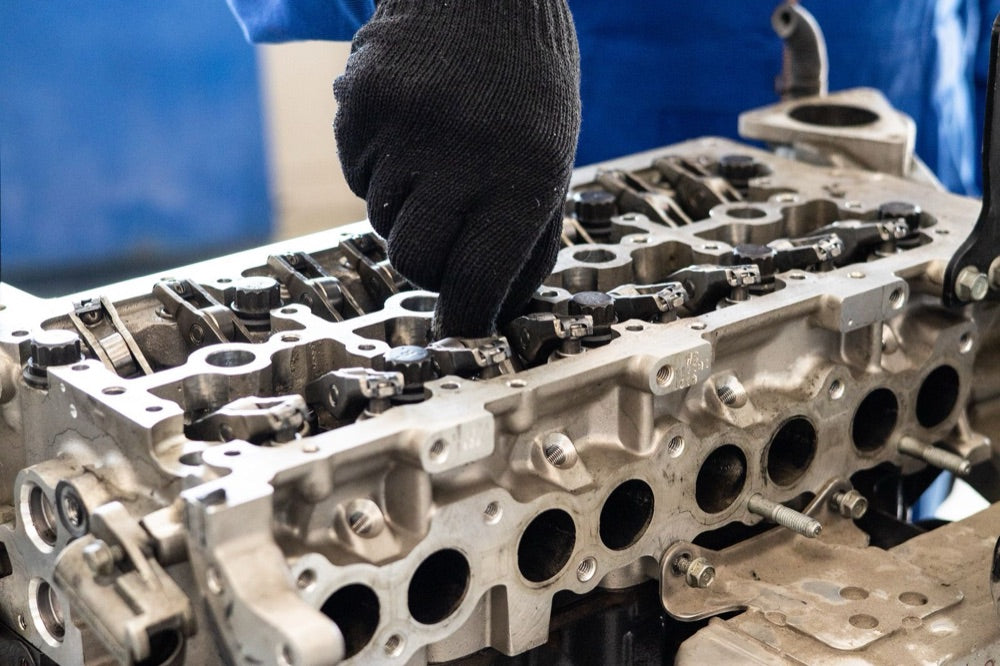
Spark plugs and ignition coils are straightforward to replace on most vehicles and resolve the majority of P0300 cases. If everything points to a fuel injector, low compression, or a stubborn vacuum leak, you'll save time and money with a professional shop or advanced scanner rather than guessing at parts.
The right tool for this code
With P0300, it all comes down to which cylinder is misfiring and why. A basic scanner reads and clears codes, OBDeleven lets you monitor misfire live per cylinder, and the Launch can isolate the weak cylinder with active tests and cylinder balance testing. Choose what matches your skill level.
 View the Topdon CarPal →
 View the OBDeleven 3 →
 View the Launch CRP919X →
Related fault codes
If you see a specific cylinder code alongside P0300, focus on that: P0301, P0302, P0303, P0304, P0305, or P0306 (the last digit indicates the cylinder). A lean fuel mixture can also cause misfires; check P0171 as well. New to reading codes? Start with how to read and clear fault codes.
Frequently asked questions
Can I keep driving with P0300?
If the check engine light is steady, yes—drive carefully to a shop. If it's flashing, no: you'll damage the catalytic converter. Have the car towed or fix it on the spot.
Can I replace spark plugs myself?
On most vehicles, yes. It's often the cheapest solution and requires minimal tools.
Why P0300 instead of a specific cylinder code?
P0300 means the misfire is random or occurring across multiple cylinders. A shared cause—fuel, air, or fuel mixture—is more likely than a single bad spark plug.
What if I keep driving?
Unburned fuel enters the exhaust and overheats the catalytic converter. A new converter is an expensive repair, so don't delay fixing it.
Quick summary
• P0300 = random or multiple cylinder misfire.
• Start with spark plugs, then ignition coils; together they cover most cases.
• Flashing check engine light = stop driving, or you'll damage the catalytic converter.
• Use live misfire counters or cylinder balance testing to pinpoint the problem cylinder.